

The team behind very good Marylebone restaurant Jikoni is opening a restaurant and cafe at the brand new V&A East Museum in Stratford next month.
Café Jikoni will launch on the same day as the 7,000 square metre V&A East Museum, on April 18, and see wife and husband team Ravinder Bhogal and Nadeem Lalani Nanjuwany sharing Ravinder’s ‘no borders kitchen’ global fusion cookery throughout the day.
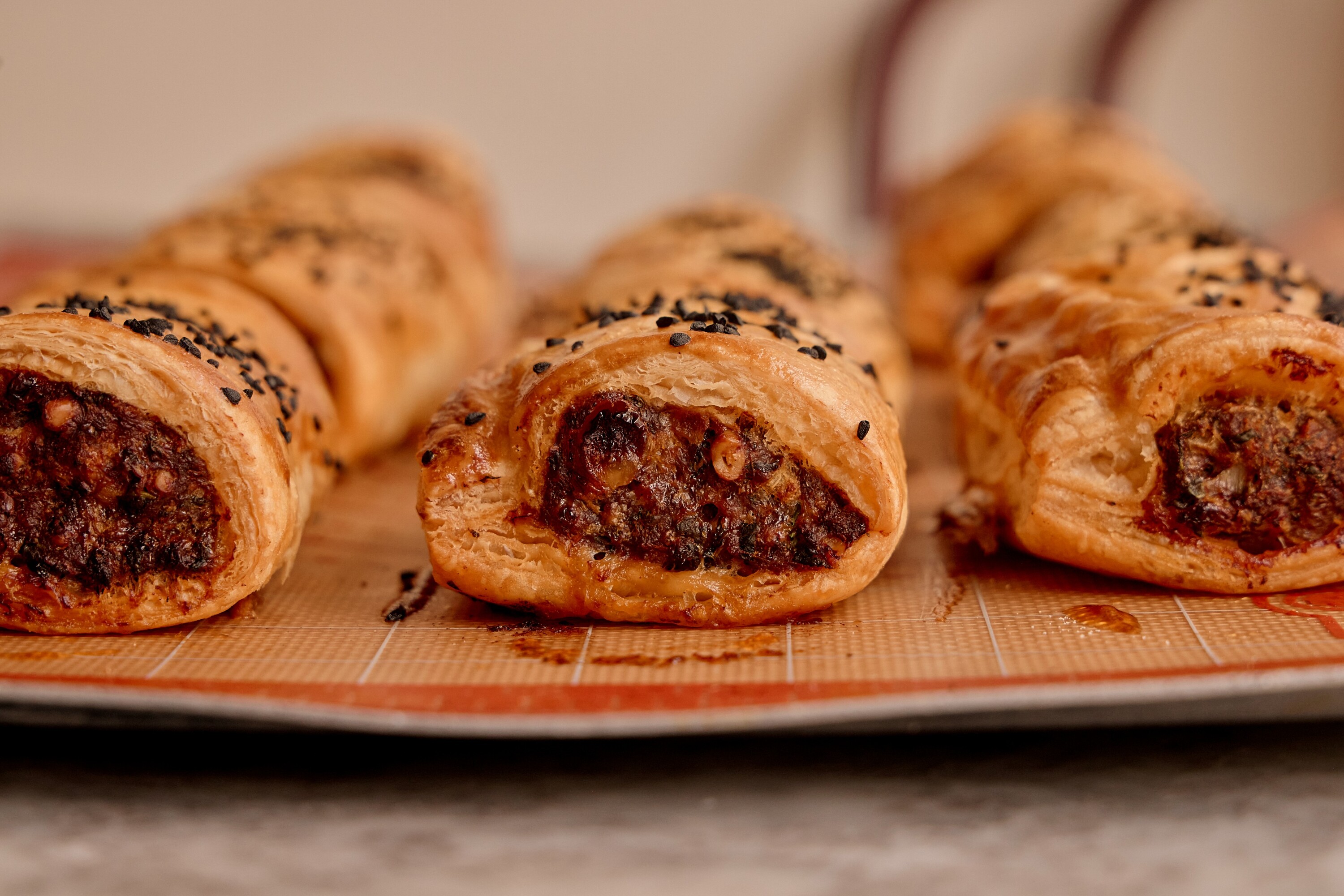
As well as Jikoni’s much-loved prawn toast Scotch egg, the menu will feature a host of new recipes, such as macaroni dhal, turmeric and ginger chicken pie, and butter beans aglio e olio with zhoug, tahini and pangrattato breadcrumb topping. There will also be a host of sausage rolls, crumpets and cakes for more simple snacking.
The V&A East Museum’s inaugural exhibition, The Music is Black: A British Story, will celebrate the past 125 of Black music in the UK. The landmark show will feature more than 200 objects exploring the impact of Black artistry on music, culture and beyond from 1900 all the way to present day.
This isn’t the first delicious opening for the V&A’s east London openings, with E5 Bakehouse already running the cafe space at the nearby V&A East Storehouse, which opened last year.
Speaking about the launch, Bhogal and Nanjuwany commented: ‘Café Jikoni is a joyful expression and natural evolution of our long-standing mission to cross borders and unite people through food. We’re delighted to have a dedicated home within one of the world’s greatest institutions, serving up delicious, culturally appropriate food to all who visit us, with dishes that will speak to the depth and breadth of the rich and diverse communities of our capital, particularly in East London. Beyond nourishing and delicious food, our intention is grounded in inclusivity, hospitality and positive change. A home from home for all.’
The original Jikoni received a five star review from Time Out, with our writer praising ‘Bhogal’s homely, joyful cooking’. Read it in full here. Jikoni is also one of the best sustainable restaurants in London.
Get the latest and greatest from the Big Smoke – from news and reviews to events and trends. Just follow our Time Out London WhatsApp channel.
Stay in the loop: sign up for our free Time Out London newsletter for the best of the city, straight to your inbox.


