
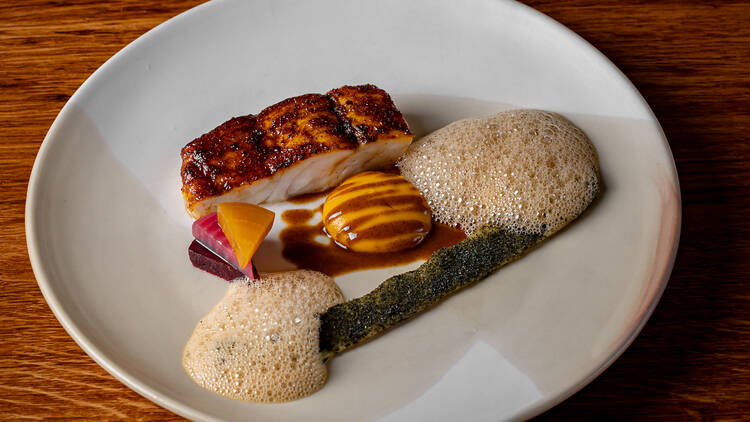
Ikoyi is regularly named one of the best restaurants in the world. In last year’s list of the planet’s top eateries by World’s 50 Best, Ikoyi was one of only two London restaurants to make the list (placing 15th overall).
But such greatness doesn’t come cheap. The sleek fine dining spot’s 14-ish course set menu comes in at a whopping £380 per person, making it one of the most expensive set meals in London (the most pricey is at Sushi Kanesaka in Mayfair, which is £420 a head).
Ikoyi, which opened in St James’s in 2017, won its first Michelin star in 2018. It scored its second in 2022, which is the same year the restaurant moved to swanky new digs at the 180 Strand building in Temple. I was lucky enough to visit recently and got to sample head chef Jeremy Chan’s quite spectacular cookery.
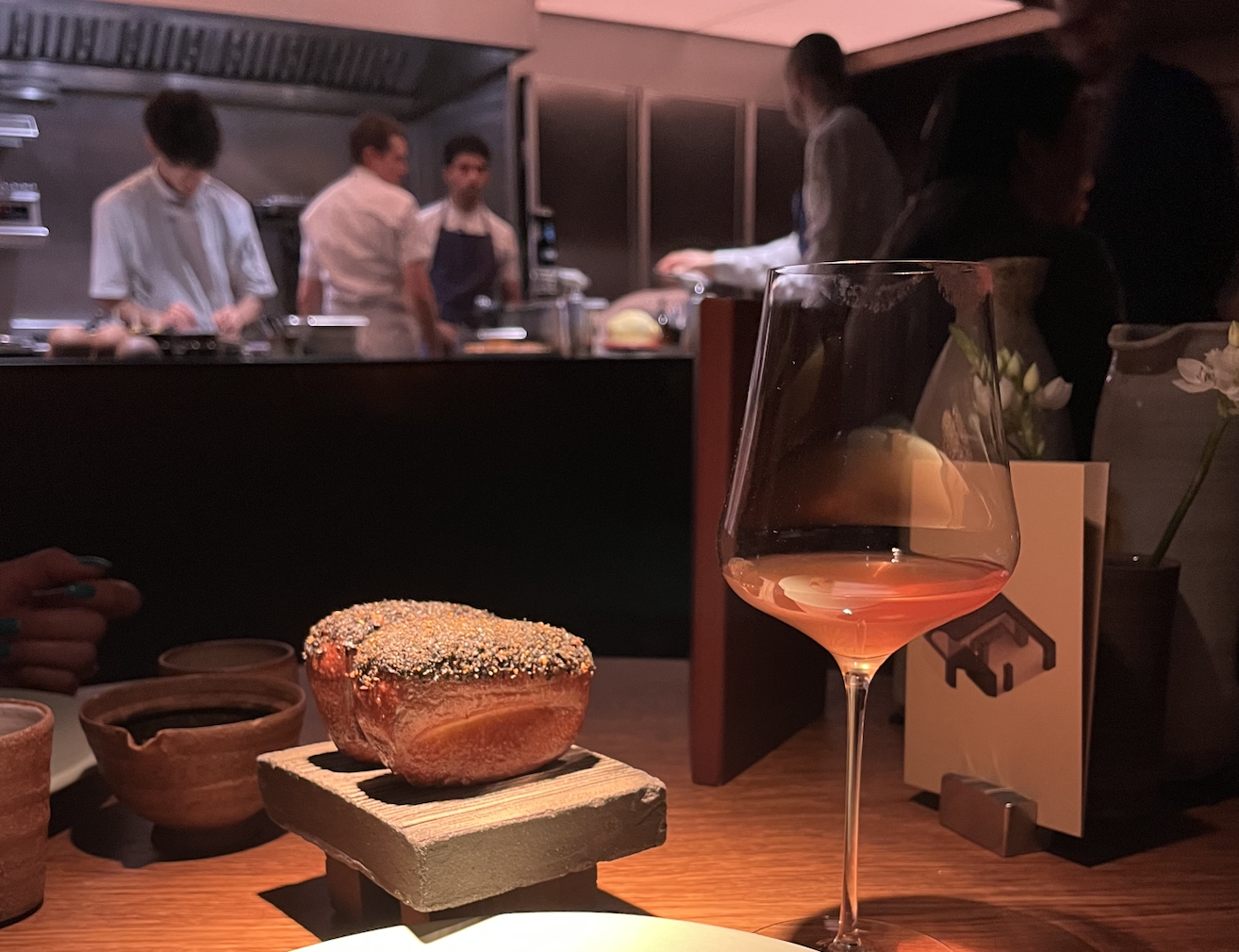
And was it worth the whopping cost? Well, in a world where a decent Sunday roast might set you back £80 along with drinks, while a meal out in Soho can be anything upwards of £100 for even a casual dinner, it might not be so crazy. Especially when you consider that we were in Ikoyi for four full hours (6pm-10pm), and were presented with what is officially some of the greatest food in the world by an ultra talented team.
Dishes at Ikoyi are made with the finest produce and rarest ingredients around, and presentation is as skilful as it is pretty. Chan’s big on technique, with days-long processes behind some of the dishes.
Food at Ikoyi is, says Chan, ‘spice-based cuisine’. We were served guinea fowl suya in a crispy caramelised rice shell with a spiced grape gel and freshly grated black truffle. There was also a pepper broth, made from an 18-hour infusion of caramelised chicken wings, served over a bitesized hunk of tender pork jowl brushed with garlic soy and anchovy butter, which was topped, tableside, with drops of oil from the ultra rare cubeb peppercorn from Sierra Leone.
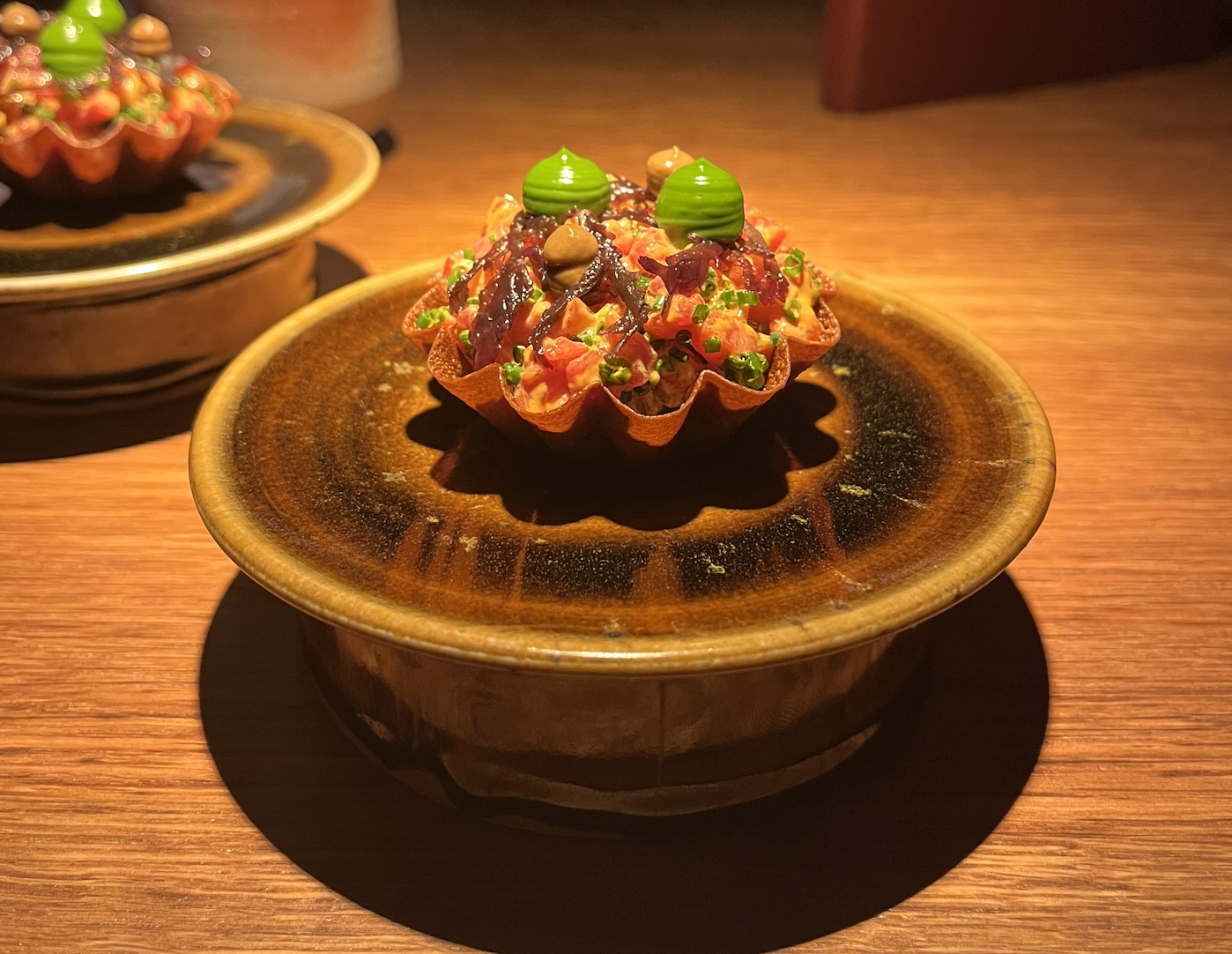
Usually in a multi-course tasting menu there are a couple of duff dishes. Not at Ikoyi. A slice of bluefin tuna isn’t just a slice of bluefin tuna, but a slice of dry-aged bluefin tuna placed neatly on a freaky little pistachio pudding with pomegranate and chilli broth, pickled kohlrabi, preserved quince and nashi pear. There’s also a smoked celeriac and chanterelle mushroom tart, which looks like a handsome Furby and feels like licking the Pembrokeshire coastline.
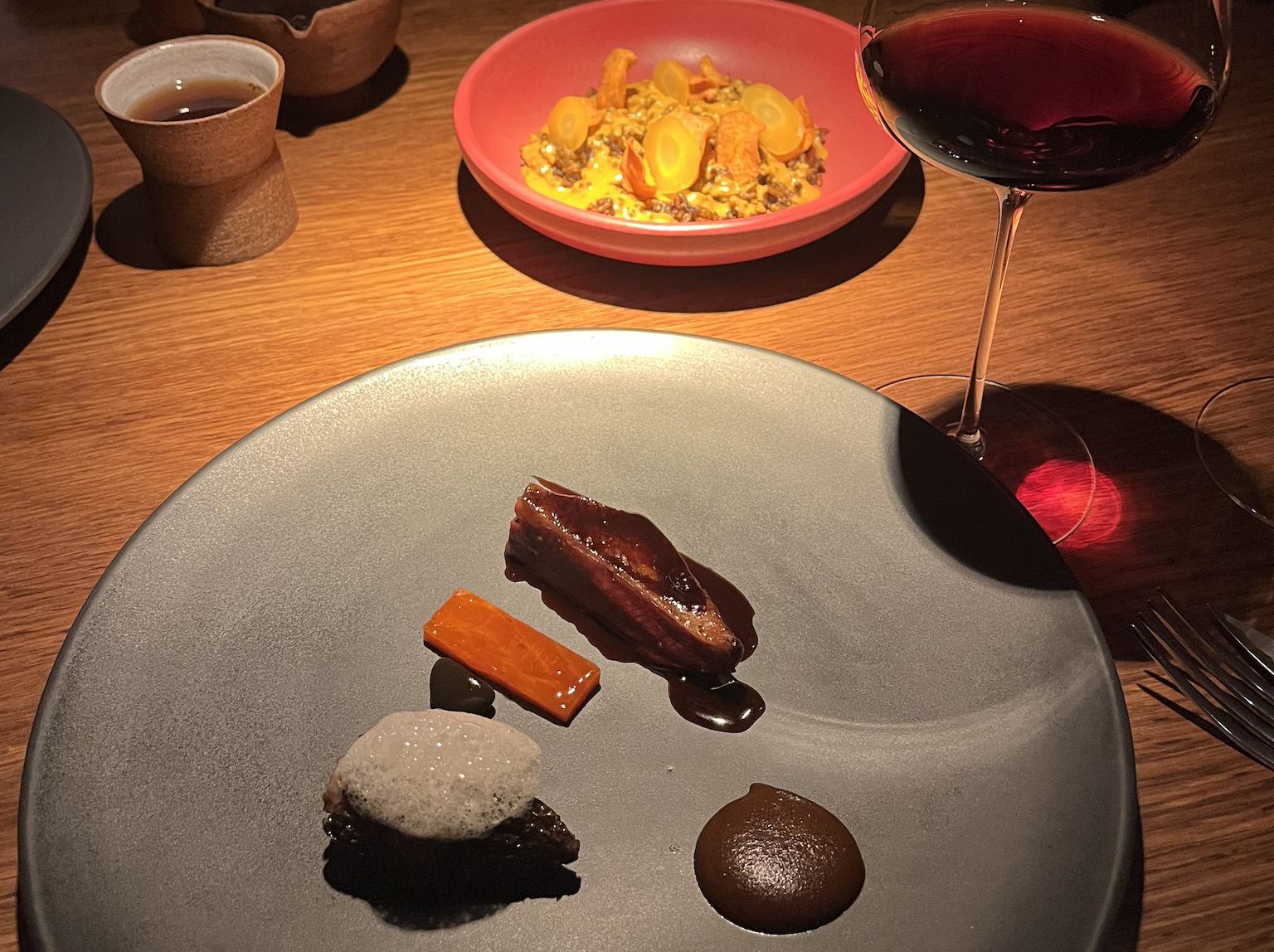
Want more majesty? It comes in the shape of a mussel and saffron crème caramel lined with poached razor clam and caviar, over which is poured a neon pink beetroot reduction and saffron-infused chilli oil.
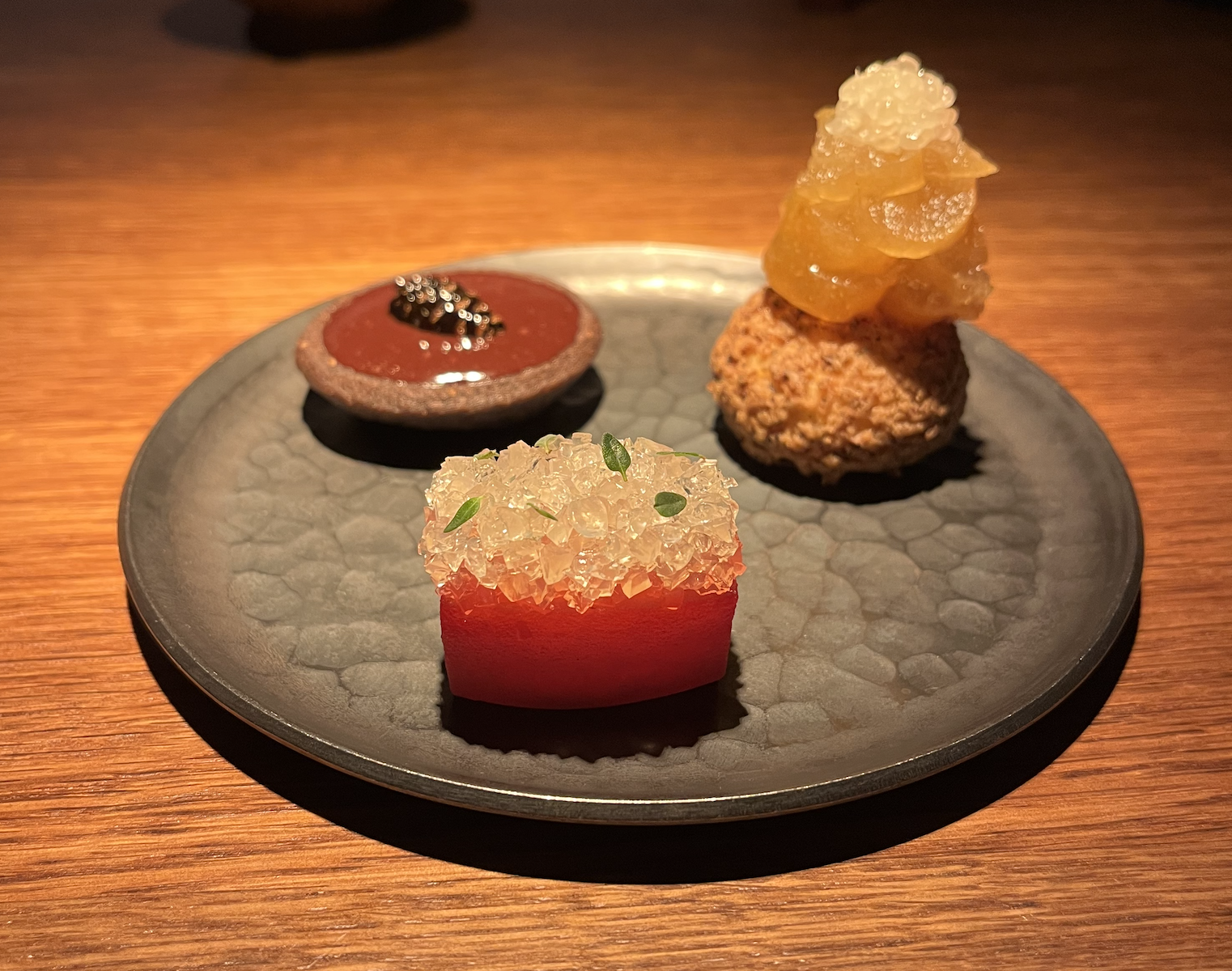
They don’t scrimp on pudding either. There’s a sorbet of mikan (a Japanese kind of mandarin) infused with peppercorns and stacked with red kiwi, lavender meringue and baked sweet potato. There’s also a white pea ice cream with kumquat and ginger cake, coffee caramel, lemon mousse and dried blackcurrant.
If you’ve got a spare £380 knocking around, we can’t think of a better place to spend it.
Read Time Out’s full, five star review of Ikoyi here.
Get the latest and greatest from the Big Smoke – from news and reviews to events and trends. Just follow our Time Out London WhatsApp channel.
Stay in the loop: sign up for our free Time Out London newsletter for the best of the city, straight to your inbox.


