Tom Fletcher is best known as one quarter of millennial guitar-pop sensations McFly, though parents may be at least as familiar with his other guise as the author of a hugely successful array of children’s books including the, erm, seminal The Dinosaur that Pooped… series. And now he’s been tapped to write the songs and lyrics for the biggest Brit musical of the decade: Paddington.
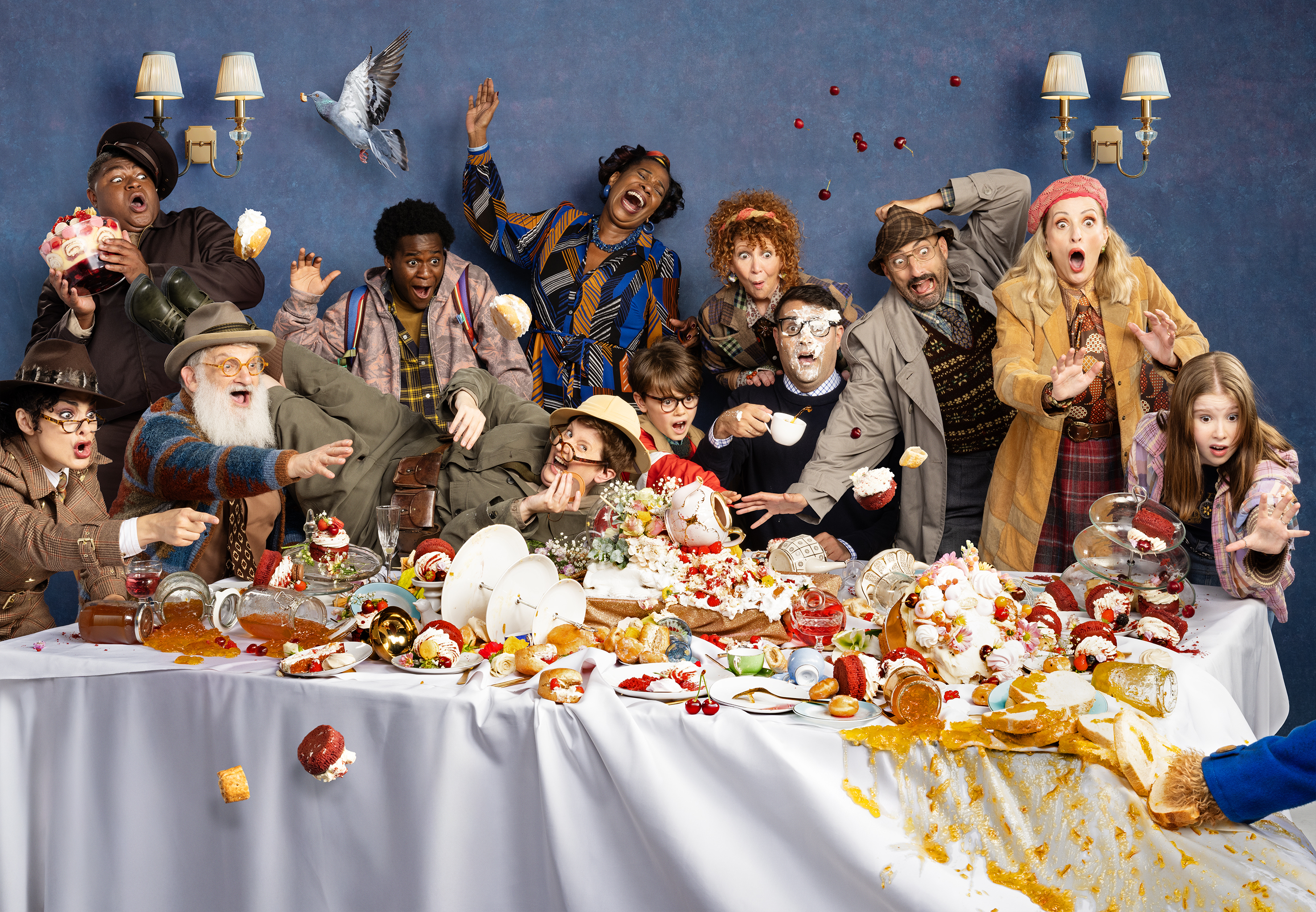
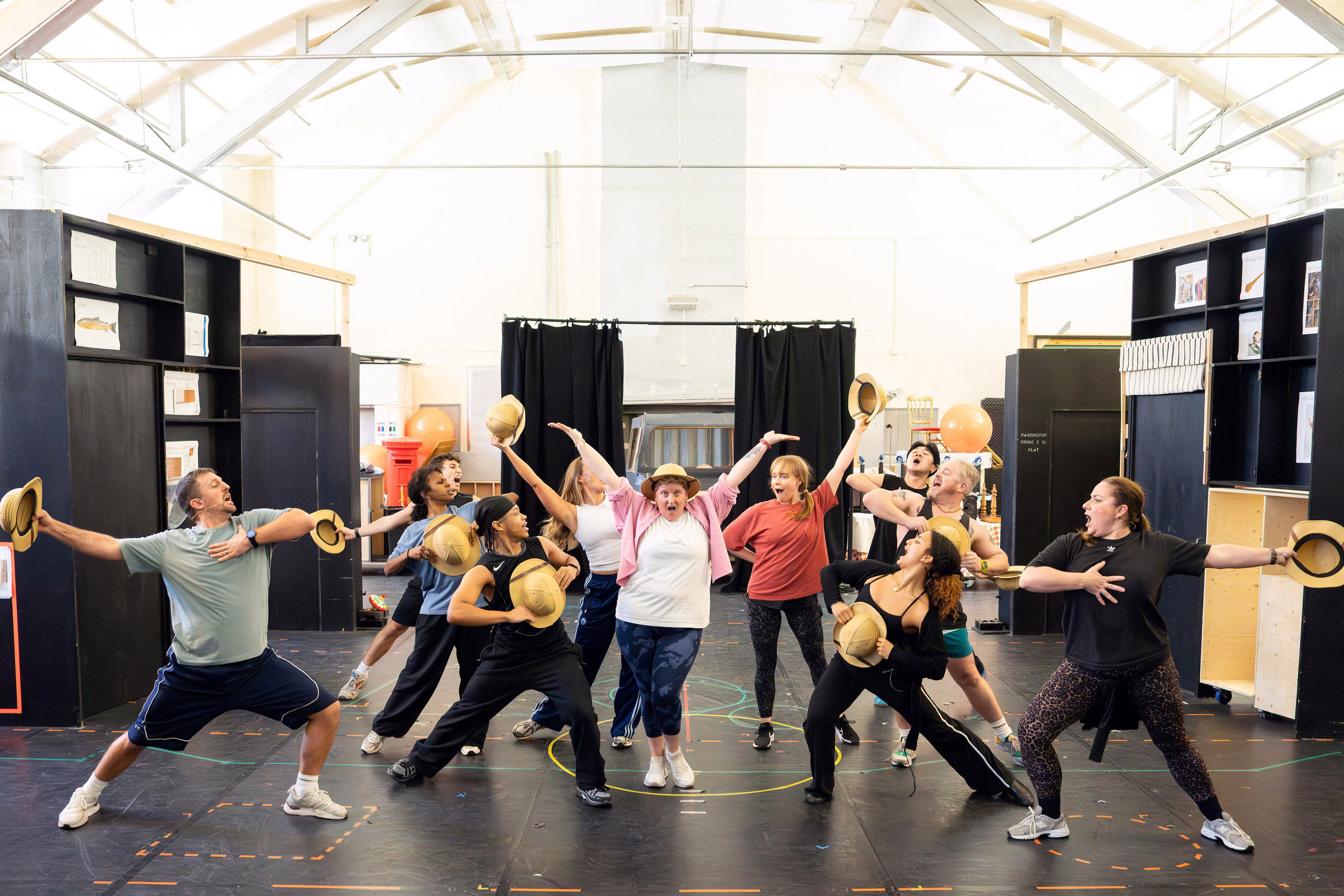
That one word says all you need to know. An exemplary group of talent – director Luke Sheppard, playwright Jessica Swale, super-producer Sonia Friedman – have spent five years devising the first modern stage outing for the marmalade-loving Peruvian bear. There is a veil of secrecy behind exactly what they’ve cooked up – especially in terms of how Paddington himself well be portrayed – but all will be revealed when it starts its run next month.
How did Paddington figure in your childhood?
‘I compare him to my experience with the Beatles. I don’t remember the first time I heard the Beatles. I just seemed to have absorbed their music and at some point realised I could sing almost every Beatles song. I don’t remember the first time I saw Paddington, but it always seems to have been there, although I think a lot of people from my generation remember the stop-motion cartoon.’
Somebody who only knows you for McFly might not appreciate that you have written a lot of children’s books.
‘Yeah, I think I’ve written about 30. To be honest I think I’ve probably sold more books than I have albums now, so I don’t really know what to refer to myself as.’
My kids like the ones about the pooing dinosaur.
‘Yeah I write that series with my bandmate Dougie. We’re number one at the moment with The Dinosaur that Pooped a Monster, that’s its second week in a row at number one. It’s played a huge role actually in feeling confident enough to be able to write something like Paddington the Musical.’
And your childhood was pretty musical theatre-y, right? You were in Oliver!
‘I was. People might hate this comparison but I went to Sylvia Young Theatre School and for me it was the equivalent of Harry Potter finding his way to Hogwarts. I was the weird kid who liked singing musical theatre. I didn’t really plan on being in a band, that just kind of happened.’
How were you recruited to Paddington?
‘I’d done some workshops and I think certain people knew that I was able to write a musical, and one of those people was Eliza Lumley, who’s one of our producers. She called me one day and said her and Sonia Friedman were secretly creating Paddington the Musical, and my name had come up on a list. I don’t know who else was on that list. But they both had a hunch that I could maybe be what they were looking for. They just said go away and write a song that you think might work for Paddington and before I’d even put the phone down, I’d written a half of a chorus in my head. And that song is still in the show.’
This had to be the best work that any of us had ever done
It’s a lot of responsibility!
‘When I got the job it was an amazing call to get. But then also: oh my God, I’ve got to figure out what this bear that everyone loves sounds like musically, that is now on my shoulders. But what’s been incredible is there was no deadline. It wasn’t like: you’ve got a year to write this. It was when we’ve written the right show and we’re all happy, that’s when we will put it on stage because Paddington deserves it to be right and we get one shot to make this show right. I hope we’ve achieved it: this had to be the best work that any of us had ever done.’
The plot would appear to be the plot of the first film – was that what you were told to make, basically?
‘We were actually given a complete blank canvas to write what we felt was right. We went through a lot of story development and at first we wrote a completely different story that no one had ever heard before. We tried a lot of different things but we always came back to: you need to see Paddington coming over from Peru. Getting that origin story naturally just led us to the film. But having said that, this isn’t a musical of the film. This is our version of Paddington.’
Writing songs for Paddington to sing must be tricky as he’s historically quite taciturn…
‘Yeah, Paddington isn’t a bear of many words. He doesn’t go into big monologues. The question is, if Paddington was a leading man – sorry, a leading bear – what would he sing and what would he sound like? It’s just such an honour to get to do that and if I ever got stuck, the answer was always in the books.’
There has been a deliberate refusal to explain in advance publicity how exactly Paddington himself will be portrayed on stage, although we’ll find out with the first preview on November 1. What can you say?
‘I can’t give any spoilers away. But I hope it’s not building it up too much to say that it’s just like being in the room with Paddington, with real Paddington. And the effect that has on you emotionally, it just takes your breath away. I don’t think I’ve ever seen anything like it before.’
You’re currently on tour with McFly – does that mean your involvement with the musical is done for now?
‘Ha ha no. They’re in rehearsals all through the day, and I normally get the notes at the end of their rehearsal day at about seven in the evening just as I’m getting ready to go on stage, so I will then come off stage about 10.30, 11 o’clock at night, and I will sit down in my hotel room and work on Paddington till about 2 in the morning then send notes back so they can put them in the script the next morning for the next day of rehearsal. So we’ve been working like that for the last month.’
The rock and roll dream! Thanks Tom.
Paddington the Musical is at the Savoy Theatre, booking Nov 1-May 25 2026. Buy tickets here.
McFly play The O2 with Busted, Oct 30-Nov 1.
The best new London theatre openings in 2025 and 2026.
The best pantomimes in London this Christmas.
Get the latest and greatest from the Big Smoke – from news and reviews to events and trends. Just follow our Time Out London WhatsApp channel.
Stay in the loop: sign up to our free Time Out London newsletter for the best of the city, straight to your inbox.